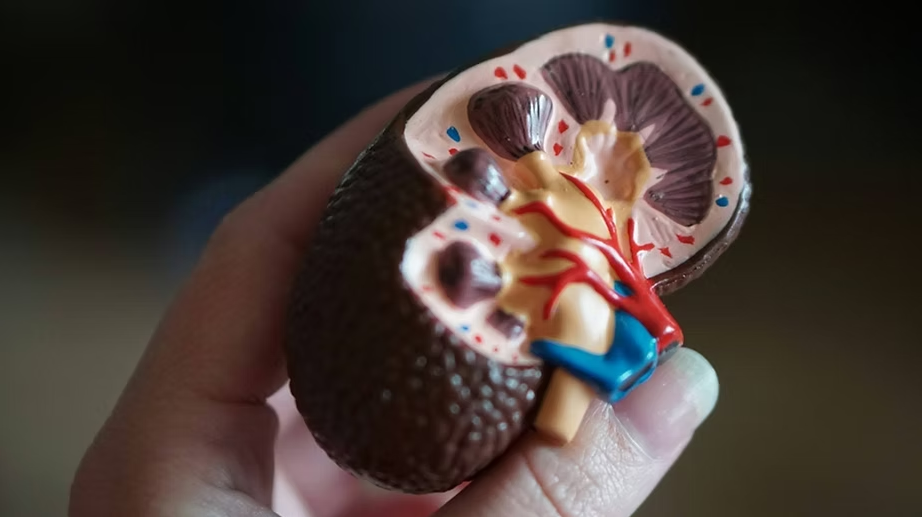
In Pennsylvania alone, about 785,000 people live with kidney disease. These five evidence-based lifestyle changes can significantly reduce your risk and protect your kidney function long-term.
Kidneys are essential organs that play a vital role in maintaining your body's overall health — they filter waste products, balance bodily fluids, produce hormones, and regulate blood pressure. However, kidney disease is a significant health concern. In Pennsylvania alone, about 785,000 people live with kidney disease, according to the American Kidney Fund.
Given these alarming statistics, keeping your kidneys healthy should be a priority. Here are the top five lifestyle changes for healthy kidneys.
1. Maintain a Balanced Diet
Eating a balanced diet is one of the most effective ways to promote kidney health. Focus on consuming a variety of fruits, vegetables, and whole grains. These foods provide essential nutrients that support kidney function and help prevent diseases like diabetes and hypertension, which are major risk factors for kidney problems.
Limit processed foods, added sugars, and salt in your diet. Excessive salt can lead to high blood pressure, putting stress on your kidneys. Instead, choose fresh foods and use herbs and spices to flavor your meals.
2. Maintain a Healthy Weight
Obesity is a known risk factor for kidney disease. Carrying excess weight puts strain on your kidneys and increases the risk of conditions like diabetes and hypertension, which can lead to kidney damage over time.
Start by setting achievable goals for weight management. Incorporate physical activities you enjoy — such as walking, swimming, or cycling — into your daily routine. Aiming for at least 30 minutes of moderate exercise most days of the week can make a significant difference.
3. Exercise Regularly
Regular exercise is beneficial for your entire body, including your kidneys. Exercise helps manage blood pressure, improves circulation, and even enhances kidney function.
Simple activities like brisk walking, dancing, or gardening can contribute to better kidney health. Exercise not only helps you maintain a healthy weight but also boosts your mood and energy levels.
4. Manage Diabetes and Blood Pressure
Diabetes and high blood pressure are two of the most significant risk factors for kidney disease. If you have diabetes, it's vital to monitor your blood sugar levels and follow your doctor's advice to keep them under control. Similarly, managing blood pressure through a combination of medication, diet, and lifestyle changes can help protect your kidneys.
Regular check-ups with a healthcare professional are essential for monitoring these conditions. A kidney specialist can provide guidance and support to ensure your kidneys remain healthy.
5. Stop Smoking and Limit Alcohol
Excessive alcohol consumption and smoking are detrimental to kidney health. Alcohol can lead to dehydration, which strains the kidneys, while smoking reduces blood flow to the kidneys, impairing their ability to function effectively. Both habits can exacerbate the risk of high blood pressure, further harming your kidneys.
Bonus Tip: Stay Hydrated
Adequate hydration is vital for kidney function. Drinking enough water helps your kidneys efficiently filter waste products and maintain a balance of bodily fluids. A good minimum standard is about 2.2 liters per day, though individual needs vary.
Critical Step: Schedule Regular Checkups
The tips we've shared here are proactive ways to keep your kidneys healthy. However, if you need professional guidance and an in-depth assessment of your kidney health, regular check-ups with your doctor are essential. Screenings can detect early signs of kidney disease, allowing for timely intervention and management.
If you're concerned about your kidney health or have a family history of kidney disease, contact us or call (610) 510-7152) for a consultation.
Explore Topics
Written by
Dr. Michaela Mocanu, MD, CHS, DABOM
Board-certified in Internal Medicine, Hypertension, and Obesity Medicine. Dr. Mocanu specializes in hypertension, kidney health, and weight management at her practice in King of Prussia, PA.