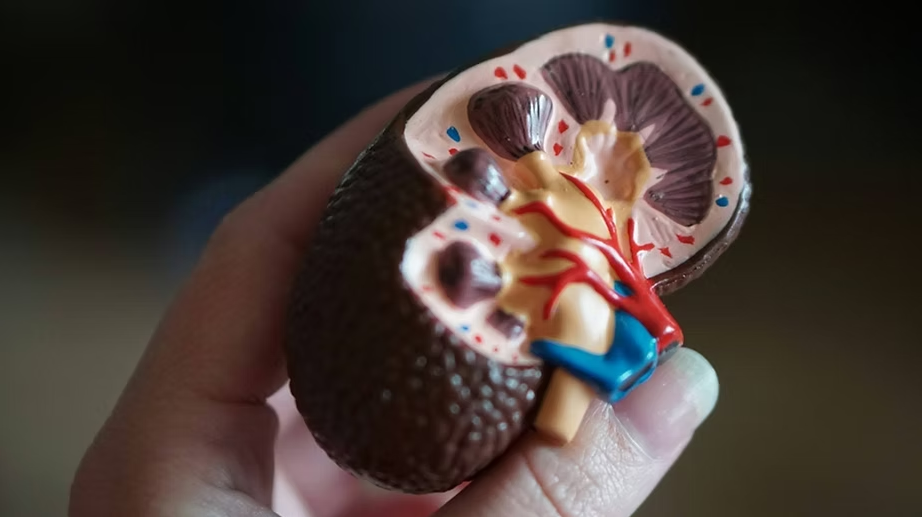
Diabetes is the leading cause of chronic kidney disease. Understanding how high blood sugar damages the kidneys — and what you can do about it — is essential for long-term health.
Diabetes affects over 400 million people across the globe. This chronic metabolic disease continuously poses a threat to overall health, causing various complications if not managed properly. Kidney disease is one of the major risks associated with diabetes — but not many people are familiar with the link between these conditions.
How Diabetes Can Damage the Kidneys
Diabetes generally affects the body's ability to process blood sugar (glucose). Without sufficient insulin — or if the body cannot use insulin effectively — glucose collects in the bloodstream, leading to high blood sugar levels.
The kidneys filter waste products in the body and excrete them through urine. The extra strain caused by diabetes can result in chronic kidney disease (CKD), which affects around 37 million adults in the U.S. and is characterized by the kidneys' gradual loss of function. CKD can start a chain reaction in the body, increasing the likelihood of cardiovascular disease, hypertension, anemia, mineral and bone disorders, kidney failure, and other health problems.
Here are three ways diabetes leads to CKD:
Hyperglycemia
When glucose levels are elevated for a long period, it can damage the small blood vessels within the kidneys. These organs function as large filters composed of millions of tiny units called nephrons — and prolonged exposure to high blood sugar causes these units to leak protein. As a result, kidneys become inflamed and scarred.
High Blood Pressure
Diabetes frequently translates to elevated blood pressure or hypertension, exacerbating damage to the blood vessels in the kidneys. This creates a harmful cycle: impaired kidneys lead to increased blood pressure, which in turn inflicts further harm upon the kidneys.
Proteinuria
Proteinuria — protein in the urine — occurs when damage to the kidney filters allows proteins that should remain in the blood to pass into the urine. The presence of protein in the urine is particularly harmful to kidney tissue, as it leads to inflammation and scarring. Over time, this can result in permanent and progressive damage.
Early Signs and Symptoms of CKD in People With Diabetes
Protecting your kidneys always begins with regular checkups and screenings for early detection. If you or a loved one have diabetes, here are the early signs and symptoms of CKD to watch for:
- Increased urination, particularly at night, due to the kidneys' inability to concentrate urine effectively
- Protein in the urine — an early sign of kidney damage, causing foamy urine similar to soap
- Swelling (edema) of the feet, ankles, or face due to fluid retention
- High blood pressure — can be both a cause and a symptom of CKD
Protecting Your Kidneys With Diabetes
Properly managing diabetes is vital for safeguarding kidney health. The more you can control your blood sugar levels, the better your chances of preventing or delaying kidney damage.
Lifestyle strategies:
- Diet modifications: Focus on a balanced diet. Prioritize whole and high-fiber foods and avoid excessive consumption of processed and packaged foods
- Physical activity: Do physical activities for at least 30 minutes every day. Consistent physical activity also supports cardiovascular health
- Maintain or achieve a healthy weight: Consult with a healthcare provider to determine a realistic weight goal and consider gradual changes to achieve it sustainably
Medications proven to protect the kidneys:
- SGLT2 inhibitors (like Dapagliflozin or Empagliflozin): Proven to slow CKD progression and protect the heart and blood vessels
- Non-steroidal MRA (such as Finerenone): A newer class with kidney-protective benefits
- GLP-1 agonists (like semaglutide/Ozempic): Recent studies show they can reduce protein loss in the urine for patients with advanced CKD and diabetes
Blood pressure control: Patients with diabetes typically follow a lower BP control target of 120/80 mmHg if tolerated.
Final Thoughts
While diabetes and CKD can make managing your health challenging, it is not impossible to be in control. At Hypertension and Kidney Health, we offer expert care to individuals eager to break free from the burden of these chronic diseases.
Schedule a consultation or call (610) 510-7152) to discuss your kidney health and explore a personalized treatment plan.
Explore Topics
Written by
Dr. Michaela Mocanu, MD, CHS, DABOM
Board-certified in Internal Medicine, Hypertension, and Obesity Medicine. Dr. Mocanu specializes in hypertension, kidney health, and weight management at her practice in King of Prussia, PA.