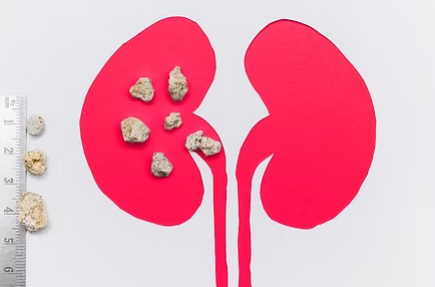
Kidney stones affect 11% of men and 6% of women at least once in their lifetimes. Understanding what causes them — and how to prevent recurrence — is key to protecting your kidney health long-term.
Kidneys are silent multitaskers — filtering waste, balancing fluids, and regulating vital bodily functions. These bean-shaped organs are indispensable in maintaining overall health, yet many take them for granted. One of the most common and painful reminders of kidney health is the development of kidney stones.
Kidney Stones: An Overview
Kidney stones are hard mineral and salt deposits that develop when calcium, oxalate, phosphate, and uric acid become concentrated in the urine, crystallize, and bind together. Other types include struvite stones (which form after a urinary tract infection) and cystine stones (which result from a genetic disorder called cystinuria).
These stones can range from tiny grains to larger masses that obstruct the urinary tract. Kidney stones affect 11% of men and 6% of women in the country at least once during their lifetimes, often stemming from diet, hydration habits, lifestyle, or underlying medical conditions.
Common symptoms include:
- Severe, sharp pain in the back or side, radiating to the lower abdomen and groin
- Blood in the urine (hematuria), giving it a pink, red, or brown color
- Frequent urge to urinate or painful urination
- Nausea and vomiting
- Cloudy or foul-smelling urine
- Fever and chills, especially if an infection is present
A Doctor's Guide to Kidney Health
Kidney stones are both an indication of your current kidney health and a risk factor for future complications. They signify a build-up of waste products that the kidneys can no longer filter out effectively — and without prompt diagnosis and treatment, they can lead to more severe urinary tract infections, chronic kidney disease, or even kidney failure.
Diagnosis may involve a CT scan from the kidneys to the bladder, a Kidney-Ureter-Bladder (KUB) x-ray, or an ultrasound of the kidneys and/or bladder.
After confirming the diagnosis, your doctor will determine the most appropriate treatment based on stone size and location, blood and urine test results, and your individual medical circumstances.
Post-treatment, the stone can be analyzed once it passes to pinpoint the cause and create an individualized plan to prevent future stones from forming. Follow-up testing is essential to monitor the effectiveness of dietary and medical interventions in reducing your risk of recurrence.
Preventing Kidney Stones
While kidney stones are common, lowering your chances of having them is very possible.
- Stay well-hydrated. Drinking enough water throughout the day helps dilute the substances in urine that can form stones. This is one of the most effective prevention strategies.
- Reduce sodium intake. Instead of processed or salty foods, focus on fresh fruits, vegetables, and whole grains.
- Don't avoid calcium. Contrary to popular belief, dairy intake is not associated with increased kidney stone risk — your doctor can discuss this further at your visit.
- Stay physically active. Regular exercise aids in promoting a healthy weight and improving overall metabolism.
- Follow up with your healthcare provider for personalized recommendations, especially if you have a history of stones.
When You Need Urology Intervention
Small kidney stones often pass naturally through the urinary tract without intervention. However, medical treatment may be necessary for larger or more stubborn stones.
- Shock-wave lithotripsy: A non-invasive procedure that uses sound waves to break stones into smaller fragments
- Ureteroscopy: A minimally invasive procedure using specialized instruments inserted through the urinary tract
- Percutaneous nephrolithotomy: A surgical option for stones too large or located in problematic areas
- Medications: Doctors may also prescribe drugs to relieve pain and relax the ureter muscles to help stones pass
Final Thoughts
Understanding kidney stones empowers you to take control of your kidney health. Hydrate well, eat healthily, and stay active — and you significantly reduce your risk.
For those already affected, timely treatment and lifestyle changes will help you manage the condition and prevent recurrence. If you are concerned about kidney stones or want expert advice on prevention, contact us or call (610) 510-7152 to schedule an appointment.
Explore Topics
Written by
Dr. Michaela Mocanu, MD, CHS, DABOM
Board-certified in Internal Medicine, Hypertension, and Obesity Medicine. Dr. Mocanu specializes in hypertension, kidney health, and weight management at her practice in King of Prussia, PA.