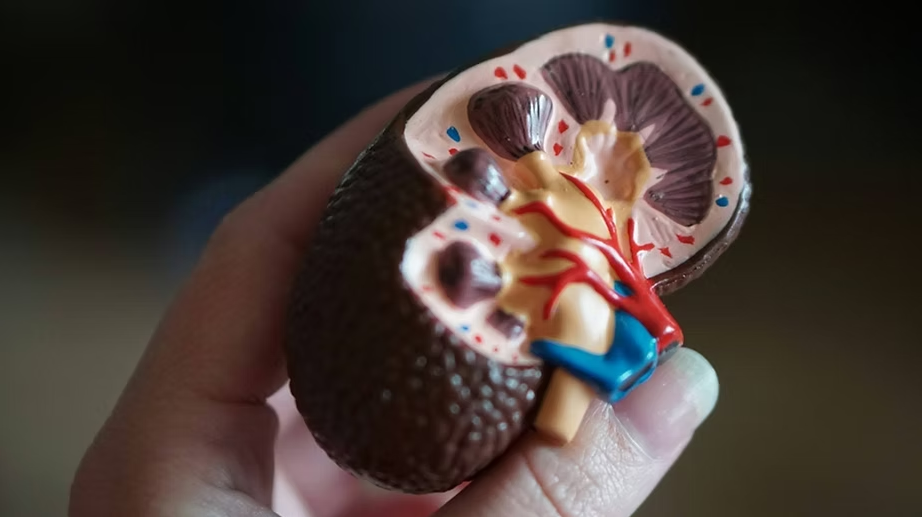
CKD affects millions of people worldwide, yet many are unaware of its seriousness. This comprehensive guide covers causes, symptoms, diagnosis, treatment options, and nutrition for kidney health.
Chronic Kidney Disease (CKD) affects millions of people worldwide, yet many are unaware of the seriousness of this condition. Renal failure is a medical condition where the kidneys gradually lose their ability to filter waste products, extra fluid, and electrolytes from the blood. This results in fluid buildup and waste product accumulation, which can adversely affect our health.
This article provides information on Chronic Kidney Disease, including its causes, symptoms, and treatment options. Raising awareness about this condition can help you maintain your kidney health.
How Healthy Kidneys Function — and the Impact of CKD
Understanding how healthy kidneys work is important to see how CKD affects us. Our kidneys do a lot to keep our bodies healthy:
- They remove waste and extra water from our blood
- They help control the number of red blood cells we have
- They balance important minerals in our blood like sodium, potassium, calcium, and phosphorus
- They keep our blood pressure at a healthy level
- They help keep our bones strong
CKD occurs when the kidneys are damaged over time, typically taking at least 3 months to develop. When the kidneys don't work well, extra stress is put on the heart and blood vessels — and over time this may result in other health issues like heart disease and stroke.
Renal insufficiency usually progresses slowly and may give few symptoms early on. There are 5 stages of kidney disease, each with different implications for management and treatment.
What Symptoms Do People With Kidney Disease Experience?
Symptoms of kidney disease may be subtle initially and sometimes go unnoticed for a long time. When symptoms do appear, they can include:
- Foamy urine (from losing protein in the urine)
- Changes in how often you urinate
- Dry or itchy skin
- Feeling tired
- Nausea
- Loss of appetite
- Unplanned weight loss
In later stages of CKD, signs of kidney damage may include:
- Trouble concentrating
- Numbness or swelling in hands and feet
- Muscle aches or cramps
- Shortness of breath
- Vomiting
- Poor sleep
- Breath that smells like ammonia
- Metallic taste and lack of appetite
What Causes Chronic Kidney Disease?
There are multiple factors that may increase the risk of kidney disease. A detailed medical history and physical examination is essential for identifying the underlying reason for loss of kidney function. Here is a list of risk factors that may affect kidney health:
- Uncontrolled diabetes
- High blood pressure
- Inherited conditions such as polycystic kidney disease or Alport's syndrome
- Unhealthy weight
- Smoking
- Heart failure
- Prior episodes of acute kidney injury
- Older age
- Presence of protein in the urine
- Autoimmune diseases like lupus or IgA nephropathy
- Long-term use of nonsteroidal anti-inflammatory drugs (NSAIDs)
- Family history of kidney disease
- Infections such as sepsis or Hemolytic Uremic Syndrome (HUS)
- Kidney stones, frequent untreated urinary tract infections, or kidney abnormalities before birth
- Some over-the-counter medications and supplements
Common Problems Resulting From CKD
People with advanced kidney disease may experience:
- Heart problems: CKD significantly increases the risk of cardiovascular diseases, including hypertension, heart attacks, and heart failure
- High blood pressure: When kidneys aren't working well, blood pressure rises — which in turn damages the kidneys further, creating a harmful cycle
- Complications from renal failure itself: Anemia, bone and joint problems, mineral imbalances, metabolic acidosis, buildup of waste products, and poor nutrition
How Is Chronic Kidney Disease Diagnosed?
For a long while, CKD can be a silent disease — which is why diagnostics are essential. We typically rely on physical exam and routine blood and urine tests. Occasionally, imaging and tissue biopsy are required.
Key diagnostic tests include:
- eGFR (Estimated Glomerular Filtration Rate): A blood test that estimates how well your kidneys are removing waste products. A higher eGFR number is better. A newer formula includes "Cystatin C" for a more accurate estimation.
- uACR (Urine Albumin-Creatinine Ratio): A urine test that assesses protein loss. A lower uACR (<30 mg/g) is better. Loss of protein (albumin) in the urine indicates the kidney "filter" is damaged.
- Imaging tests: CT scans or ultrasounds can detect obstructions, stones, or abnormal kidney structure
- Kidney biopsy: Sometimes necessary to establish an accurate diagnosis and tailor the treatment plan
- Genetic testing: Increasingly used when the underlying cause of kidney disease is unclear
Treatment Options
One unique aspect of managing CKD is that we aim to treat the underlying cause of kidney disease and lower individual risk factors. An early referral to a kidney doctor can help reduce complications and preserve kidney function.
Medications known to slow CKD progression include:
- ACE inhibitors or ARBs: Reduce pressure through the kidney filters and lower protein loss in the urine
- SGLT2 inhibitors (like Dapagliflozin or Empagliflozin): Shown to slow CKD progression
- Non-steroidal MRA (such as Finerenone): A newer class with kidney-protective benefits
- GLP-1 agonists (like semaglutide/Ozempic): Recent studies show they can reduce protein loss in the urine for patients with advanced CKD and diabetes
- Statins: Recommended because cardiovascular risk in CKD patients is exponentially higher — statins can help lower the risk of heart attacks and strokes even if cholesterol levels are normal
Managing Nutrition and Lifestyle for Kidney Health
The special diet aimed at lowering the workload on the kidneys is essentially a balanced diet rich in fruits, vegetables, whole grains, and healthy fats — staying away from processed foods and foods high in sugar and unhealthy fats.
Key components:
- Sodium: Less than 2 grams per day to help control blood pressure and reduce fluid retention
- Protein: Depending on the stage of CKD and degree of proteinuria, you may need to limit protein intake
- Potassium: For those with more advanced disease (CKD 4 or 5), limiting potassium may be important — but a tailored recommendation from your doctor is essential, as not everyone with CKD needs a low-potassium diet
- Phosphorus: Limit to avoid bone and heart problems. Foods high in phosphate include dairy products, nuts, seeds, beans, and certain sodas
- Fluids: Depending on your condition and treatment plan, you might need to monitor fluid intake to prevent fluid overload
Before making any changes to your diet, please speak with your doctor or dietitian to create a personalized eating plan that meets your specific needs.
When the Battle Is Lost: Planning for Dialysis or Transplant
For patients whose CKD progresses to end-stage kidney disease, planning for dialysis or a kidney transplant early is very important. There are two types of dialysis: hemodialysis and peritoneal dialysis. Kidney transplantation is also a viable treatment option and should be considered as part of the long-term management plan.
Conclusion
Managing chronic kidney disease requires careful evaluation and management. Early diagnosis and treatment play a pivotal role in preserving quality of life and delaying the need for dialysis or transplantation.
Regular follow-up care and proactive health management are crucial components of ongoing treatment. By working closely with your doctor to develop a personalized treatment plan, you can effectively maintain kidney health and enhance your overall well-being.
If you have concerns about your kidney health, contact us or call (610) 510-7152 to schedule an appointment with Dr. Mocanu.
Explore Topics
Written by
Dr. Michaela Mocanu, MD, CHS, DABOM
Board-certified in Internal Medicine, Hypertension, and Obesity Medicine. Dr. Mocanu specializes in hypertension, kidney health, and weight management at her practice in King of Prussia, PA.